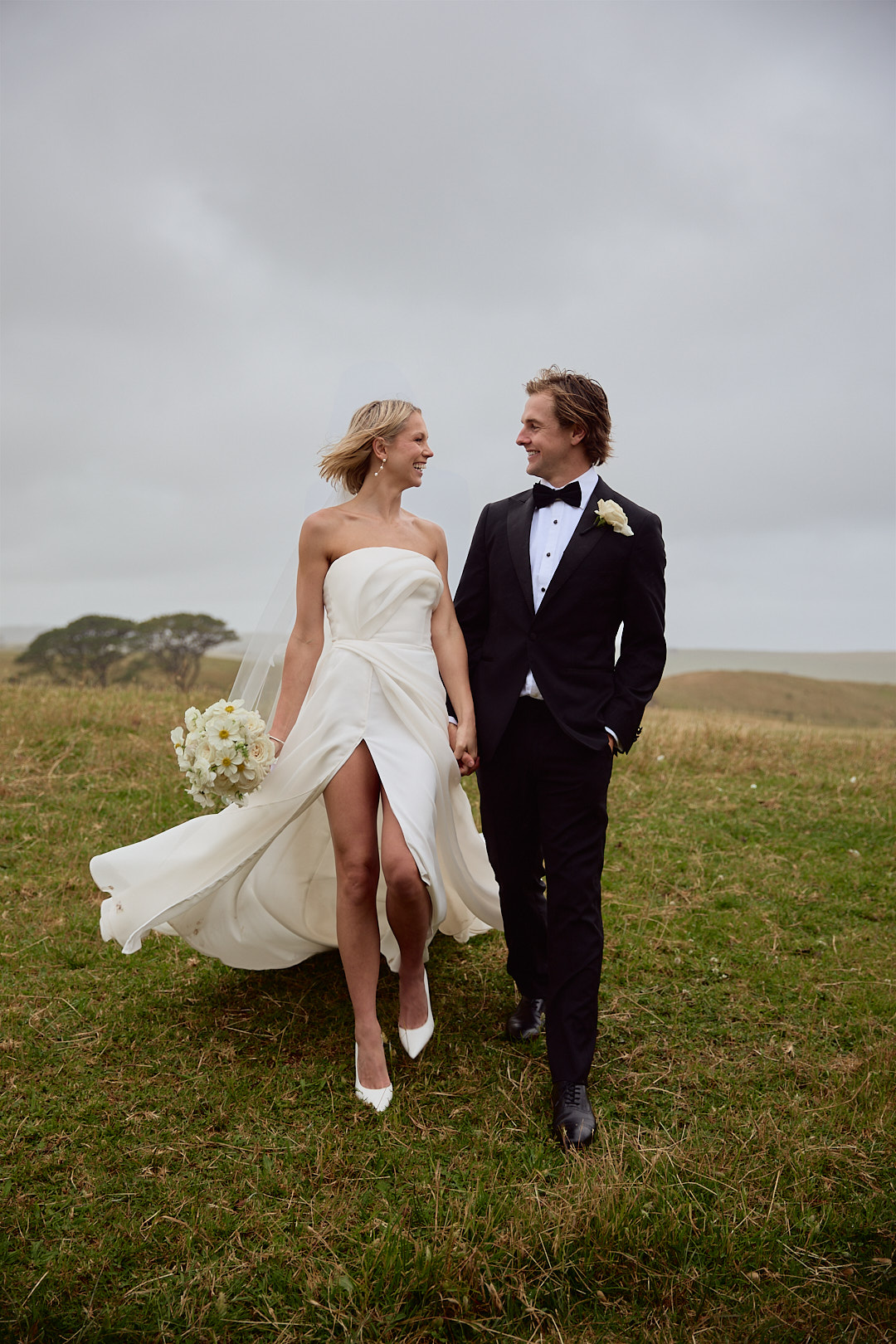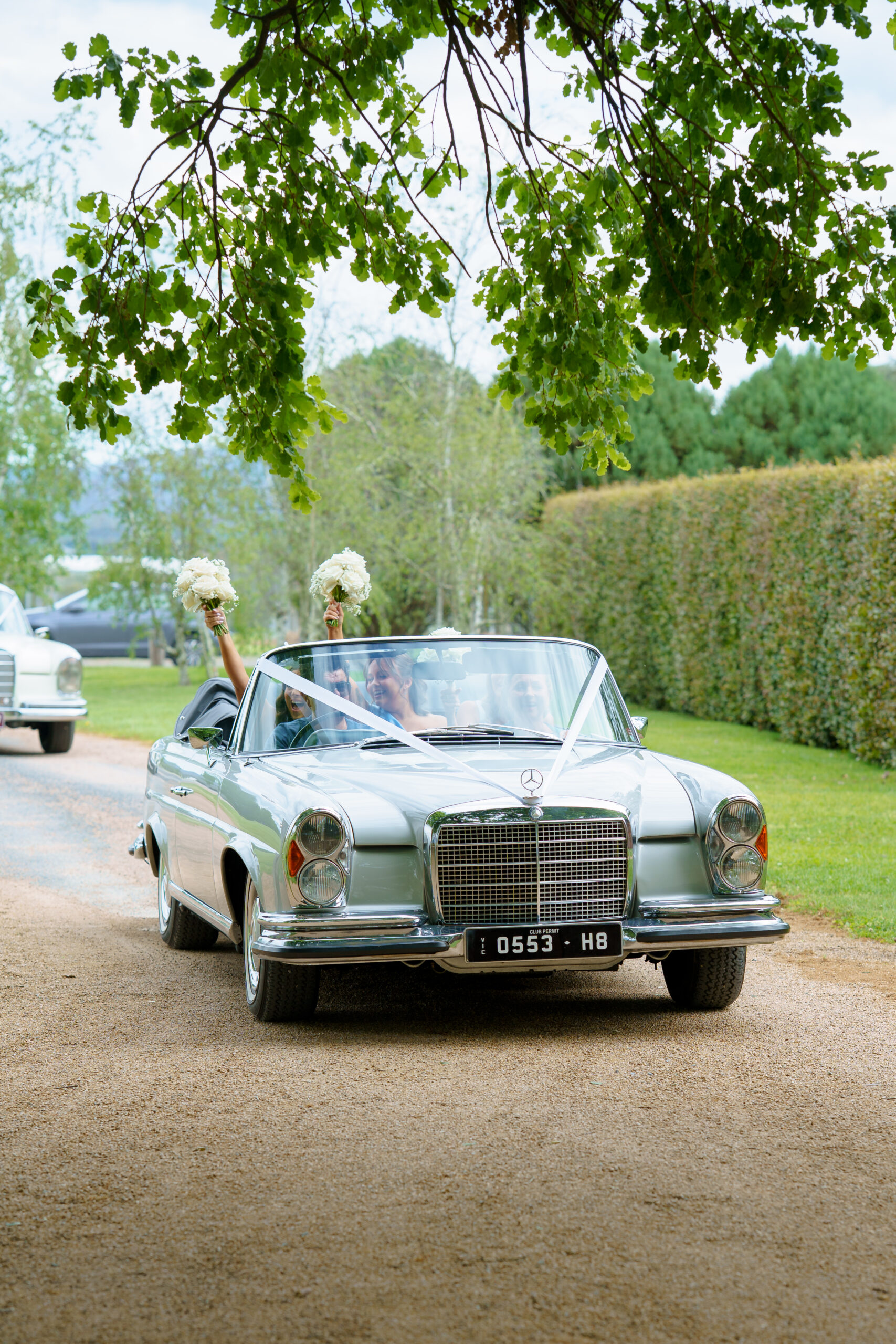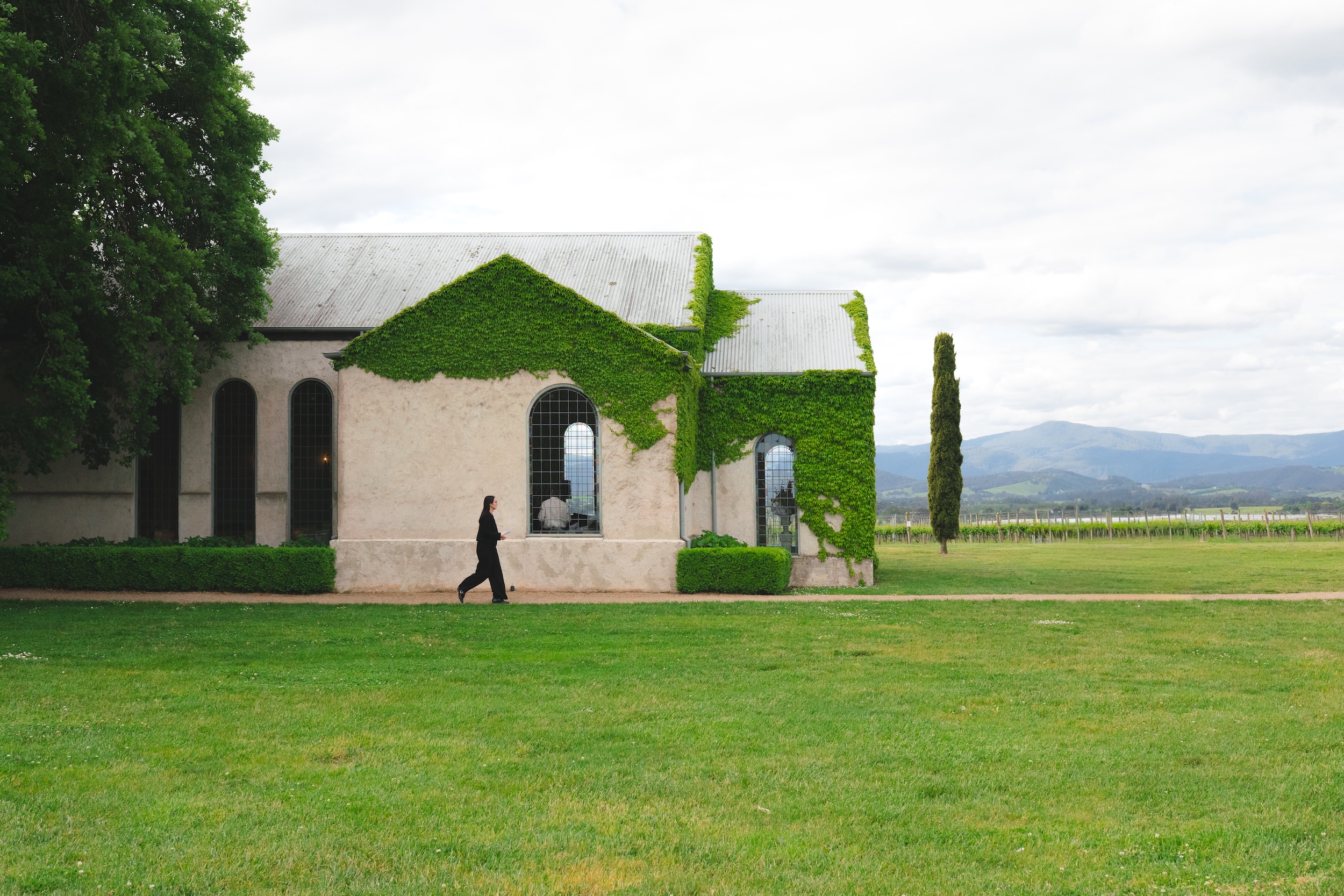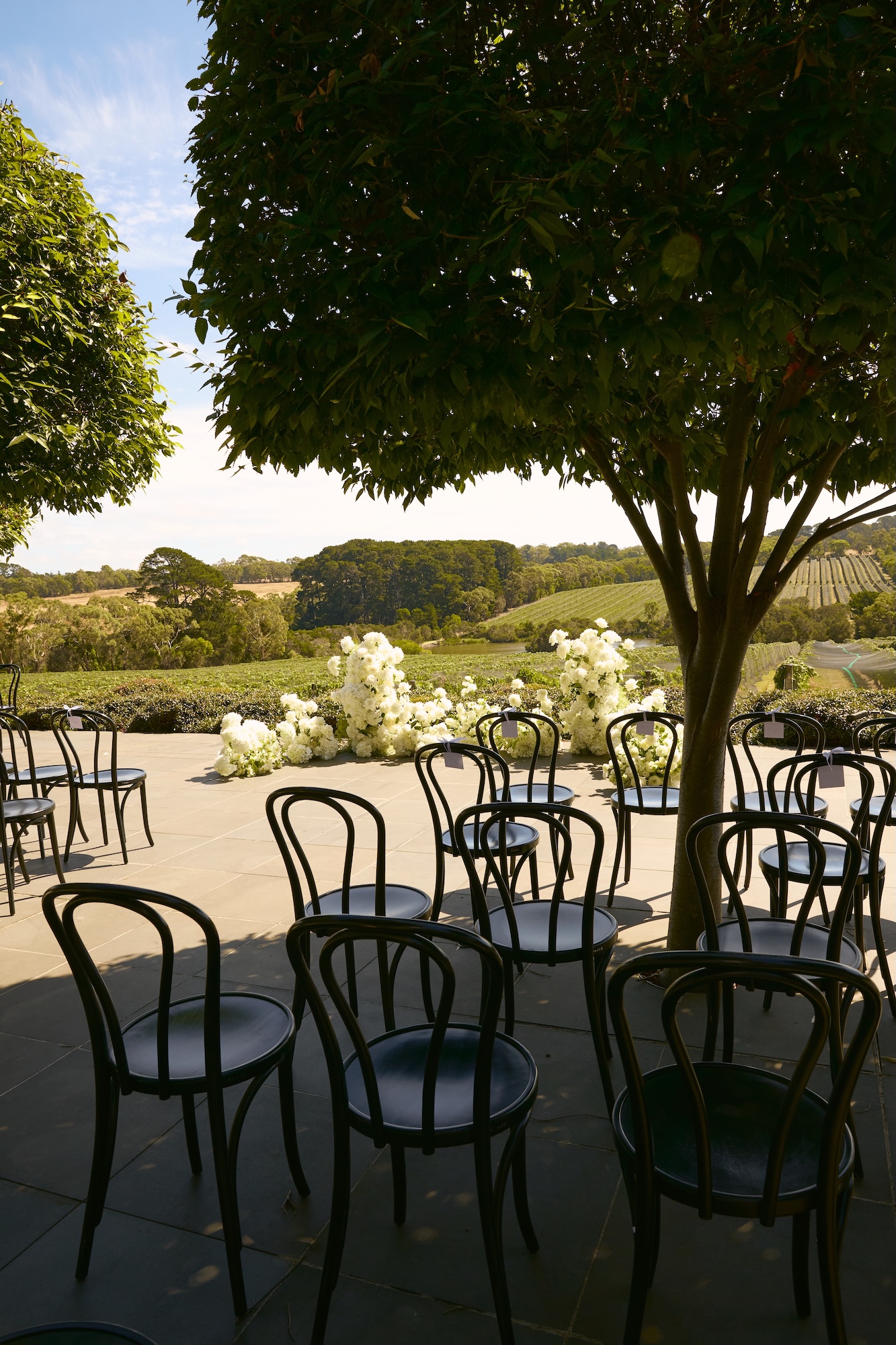
There is a distinct magic to Southern Italy that grabs hold of your heart and refuses to let go. If you are dreaming of a destination wedding, your Pinterest boards are likely filled with images of whitewashed stone walls, ancient olive groves, and long candlelit tables under a starlit Italian sky.
In other words, you are dreaming of a masseria wedding in Puglia.
But what exactly is a masseria, why are they so deeply tied to Southern Italy’s history, and which ones should top your venue scouting list? Let us dive into everything you need to know about these iconic estates to help you plan the perfect wedding day.
What is a Masseria? A Quick History
A masseria (plural: masserie) is a historically fortified farmhouse estate unique to the region of Puglia. To truly appreciate their rustic charm today, it helps to understand why landowners built them in the first place.
Between the 16th and 18th centuries, Puglia was a major agricultural powerhouse. The region produced massive amounts of grain, wine, and olive oil. However, its vast, exposed coastline made it incredibly vulnerable to pirate raids, local bandits, and Ottoman invasions.
To protect the landowners, the farmers, and the valuable harvests, these country estates were built like mini-fortresses. They traditionally featured:
- High, thick defensive stone walls.
- Enclosed central courtyards (cortile) where daily life took place.
- Watchtowers and heavily reinforced gates.
- A completely self-sufficient ecosystem, often including its own chapel, stables, and underground olive presses.
Over the centuries, these fortresses fell into disuse. However, a brilliant movement of architectural preservation has seen them painstakingly restored. Today, they represent the pinnacle of rustic luxury. They beautifully blend historic, weathered stone textures with high-end, minimalist Italian design.
5 Incredible Masseria Wedding Venues in Puglia
Because every masseria has its own distinct architectural personality, the vibe of your wedding can shift dramatically depending on the venue you choose. Here are five exceptional properties to consider:
1. Borgo Egnazia
While technically a modern interpretation of a traditional Puglian village (borgo), Borgo Egnazia is world-renowned for ultra-luxury weddings. Built entirely from local tufo stone, it offers massive scale, world-class service, and a flawless blend of historic atmosphere with modern luxury.
2. Masseria Le Torri
Dating back to the 1700s and located just a stone’s throw from the dramatic cliffs of Polignano a Mare, Masseria Le Torri is an elegant, boutique dream. It is perfect for intimate weddings (up to 60 guests), offering a romantic pool area, a beautiful courtyard, and a highly refined, classy atmosphere.
3. Masseria Mozzone
If you want deep authenticity and a connection to the land, Masseria Mozzone sits wrapped in a valley of ancient, twisted olive trees. It features traditional whitewashed stone walls and even classic conical trulli roofs, making it an incredibly charming, rustic setting for an open-air dinner under the stars.
4. Masseria Moroseta
For the design-conscious couple, Masseria Moroseta is a modern masterpiece located near Ostuni. Built using traditional techniques and local materials, it filters historic farmhouse architecture through a sleek, minimalist lens. It is eco-friendly, understated, and an absolute paradise for clean, editorial photography.
5. Masseria Salamina
Dating back to the 1600s, Masseria Salamina is a sprawling, family-run estate that feels like a historic castle. It boasts a beautiful ancient chapel, an inner courtyard perfect for long banquet tables, and a greenhouse space for a spectacular late-night afterparty.
Planning Your Wedding Timeline Around the Puglian Sun
From a technical photography perspective, the whitewashed stone of a traditional masseria acts as a massive, natural light reflector. While this creates a stunning clean look, the intense Southern Italian sun requires strategic timeline planning to avoid harsh shadows, squinting guests, and overheated portraits.
Here is exactly how the light behaves during the summer wedding season and how it impacts your wedding schedule:
- Late April to June (Spring): The sun sets earlier (between 8:00 PM and 8:45 PM). The light is softer, meaning we have a wider window for portraits. However, temperatures drop quickly after dark, so outdoor dinners require lighting setups configured for early evening.
- July and August (Peak Summer): The sun does not set until 8:15 PM to 8:45 PM, and the midday heat is extreme. Shooting portraits or holding an open-air ceremony before 5:30 PM will result in harsh, direct overhead shadows under the eyes and blown-out highlights on the white stone.
- September (Late Summer): The sunset pulls back closer to 7:30 PM. The light turns a deep golden hue much faster, meaning our post-ceremony portrait window is shorter but highly efficient.
The Ideal Summer Timeline Structure
To maximise the best light for your masseria wedding in Puglia while keeping your guests comfortable, structure your afternoon around these specific windows:
- 5:30 PM – Ceremony: Do not start an outdoor ceremony any earlier in July or August. Waiting until the sun dips lower allows the high masseria walls to cast open shade over your guests, keeping everyone cool and ensuring even, flattering light for your vows.
- 6:30 PM – Aperitivo & Family Photos: Utilise the courtyard shade for family formals while your guests enjoy refreshments.
- 7:45 PM – Golden Hour Portraits: We will slip away into the estate’s olive groves for just 20 minutes. At this exact time, the low sun hits the red soil and ancient trees, creating a warm, editorial glow that is impossible to replicate at any other time of day.
- 8:15 PM – Dinner Entrance: Sit down for dinner just as twilight begins, seamlessly transitioning into an open-air reception under the stars.
Planning a Masseria Wedding? Let’s Keep It Simple
Planning a destination wedding from London, New York, or Australia comes with its fair share of logistics. One of the easiest ways to streamline your planning is choosing suppliers who know the local terrain but completely speak your language.
I am a native English speaker originally from London (splitting my year between the UK and Australia), but I spend my entire summer wedding season—from late April through to September—living and working right here on the ground in Puglia.
By working with an on-the-ground, native English-speaking photographer, you get the best of both worlds:
- Zero Travel Friction: You don’t have to worry about flying a photographer in, paying for expensive flights, or managing long-distance travel logistics.
- Crystal-Clear Communication: We can chat easily about your timeline, your vision, and those subtle, candid moments you want captured, with absolutely no details lost in translation.
- Local Knowledge: I understand the local geography, how the Italian sun moves across the stone courtyards, and how to navigate the local flow of a wedding day.
If you are currently scouting venues or narrowing down your plans for a masseria wedding in Puglia, I would love to hear your story.
👉 Get in touch here to check availability for the upcoming summer season.
Read other Puglia related wedding posts:
- WHY PUGLIA IS ITALY’S HOTTEST WEDDING DESTINATION
- WHEN IS THE BEST TIME TO GET MARRIED IN PUGLIA?
- 5 BEST WEDDING VENUES NEAR LECCE: AN INSIDER’S GUIDE
- OSTUNI WEDDING PHOTOGRAPHER: YOUR GUIDE TO THE WHITE CITY
- PUGLIA WEDDING RAINY DAY BACKUP: THE BEST INDOOR MASSERIAS
- A BRIT BASED IN THE ITALIAN SUN: PUGLIA DESTINATION WEDDING PHOTOGRAPHER
- GETTING MARRIED IN ITALY AS A FOREIGNER: THE HONEST GUIDE