Planning a destination wedding in Italy is an incredible choice. However, dealing with the actual logistics as an international couple can quickly become overwhelming.
As a British wedding photographer who spends the summer season living and working in Ostuni, Puglia (Southern Italy). I get a front-row seat to the entire planning process. Because I share the same UK/Australian background as many of my clients, I notice the exact moments where destination couples from the UK, the US, and Australia run into unexpected cultural or logistical friction.
If you want to keep your planning stress-free, here are the essential things you must know before getting married in Italy as a foreigner.
The Legal Trap: Different Rules for Brits, Americans, and Aussies
Let’s be completely honest about Italian bureaucracy: it is slow, confusing, and highly rigid. While any foreigner can legally wed here, Italy treats nationalities differently. The required paperwork depends entirely on your passport:
- For British Citizens: Your process is mostly administrative. You must obtain a Certificate of No Impediment (CNI) from your local registry office in the UK. This document requires legalizing with an Apostille stamp before you submit it to the Italian town hall.
- For US and Australian Citizens: Your process is much more demanding. Italy requires you to obtain a specific sworn affidavit called an Atto Notorio. You must sign this document in front of an Italian consul in your home country or at a local court in Italy. Crucially, this step requires four adult witnesses who cannot be related to you, making the logistics highly complex.
My Insider Advice: Skip the Italian legal headache entirely. Do the boring, legal paperwork at your local registry office in London, New York, or Melbourne before you board your flight.
Once that is sorted, host a symbolic ceremony here in Puglia. A symbolic ceremony looks and feels identical to a legal one. The major difference? It frees you from government red tape. You can hold your ceremony anywhere you want, whether that is a garden, a rooftop, or a beach without any municipal restrictions.

The Private Chapel Misconception in Puglia
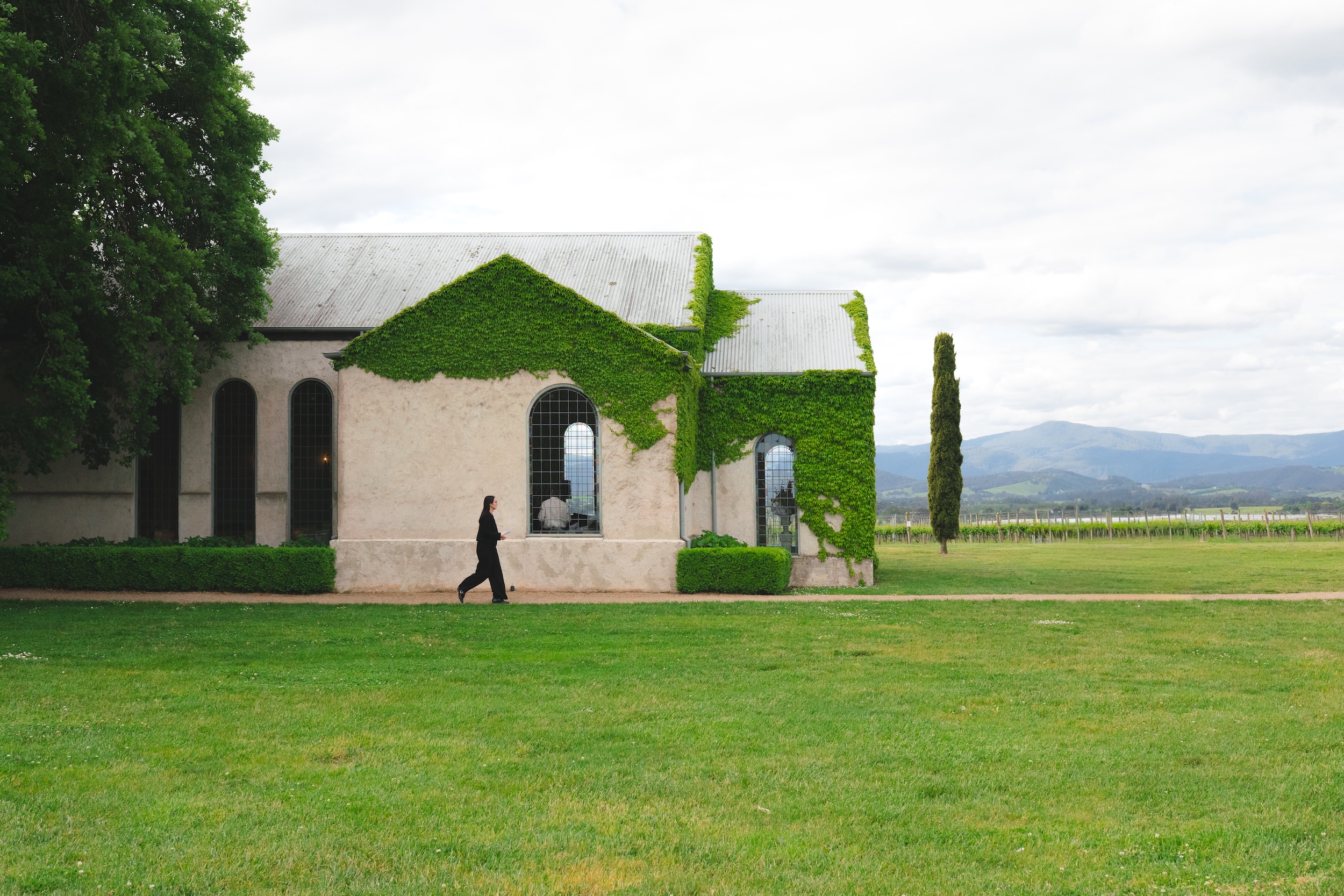
When scrolling through gorgeous Puglian masserias, you will notice that many of these historic estates feature beautiful, ancient private chapels on their grounds. It is incredibly tempting to assume you can host your legal or religious ceremony right inside these charming stone structures.
However, there is a major catch that catches many international couples off guard: the vast majority of these private chapels are not consecrated.
In Italy, a Catholic wedding ceremony carries legal validity, but it must take place inside a consecrated church or a chapel recognised by the local diocese. Because most masseria chapels are privately owned and deconsecrated, a priest cannot legally or religiously marry you there. While a tiny handful of venues such as Masseria San Giovanni do feature fully consecrated, working churches on site, they are the rare exception.
Even when a property features a fully consecrated chapel, many international couples still choose to host a symbolic ceremony instead. Navigating the Vatican’s strict canonical paperwork path from overseas is incredibly difficult and time-consuming. You must coordinate sealed certificates from your home diocese with the local Italian archdiocese months in advance.
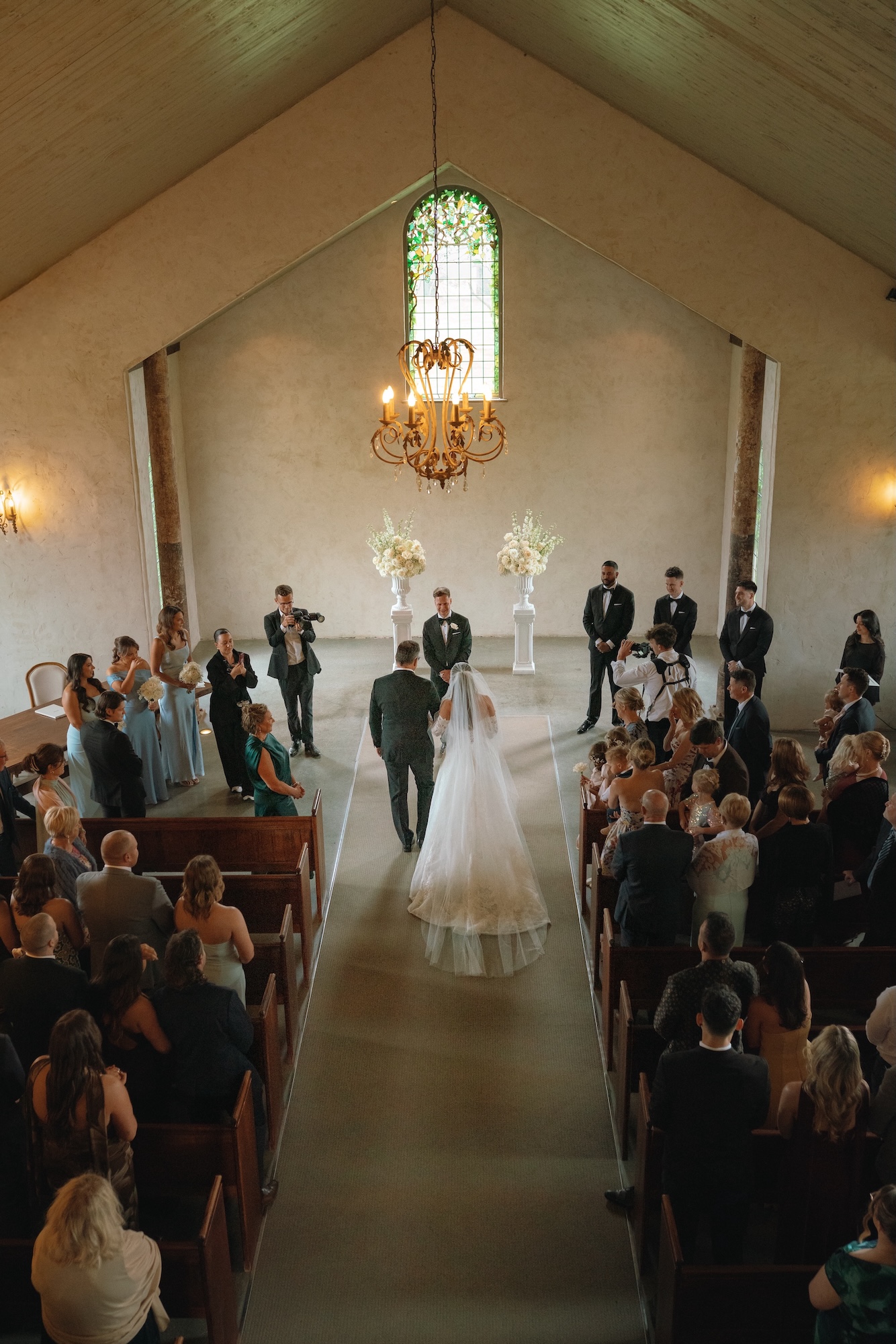
If you fall in love with a property that has a private chapel, treating it as a spectacular backdrop for a symbolic ceremony remains the most seamless route. It gives you the historic aesthetic you want without the structural or religious restrictions.
Image via Instagram / @masseria.sangiovanni
The Communication Shift: Adapting to the Local Rhythm
The communication pace in Southern Italy can be a change of pace for British, American, and Aussie couples. In London or New York or Sydney planning often happens over rapid email exchanges.
Apulian wedding professionals operate with a different, highly focused priority system. During the peak summer season, local teams dedicate 100% of their energy to the wedding happening on that specific day. Because they give every couple this undivided, hands-on attention, they might take a little longer to reply to detailed emails regarding a wedding happening next year. Furthermore, long, bulleted emails in English take time to translate and process.
How to Blend with the Local Style:
- Embrace WhatsApp: Italian wedding professionals highly value personal connections. Most local suppliers prefer communicating through quick, friendly WhatsApp messages or voice notes rather than formal email threads.
- Keep Emails Simplified: When you do send emails, keep your questions clear, concise, and focused on one topic at a time to help vendors reply more efficiently.
- Build a Native English Core Team: Booking a few core suppliers, like your photographer who share your native language gives you an easy sounding board. It allows you to talk through your ideas seamlessly while giving local vendors the breathing room they need to execute your day perfectly.

Contracts and Cash Culture: Be Prepared
Paying vendors in Southern Italy works differently than it does back home. Many local boutique suppliers do not accept international credit cards.
- Bank Transfers (Wise): You will pay most deposits via international bank transfers. Set up a Wise account early to avoid massive bank fees.
- The Cash Reality: Do not be surprised if certain local suppliers, like late-night transport drivers or extra bar staff require payment in cash on the night of the wedding. Keep a secure stash of Euros on hand for final day-of payouts.
The Final Word: Control What You Can
You cannot change Italian bureaucracy or vendor communication speeds. However, you can control how you plan. By separating your legal paperwork from your celebratory day and booking vendors with great English-speaking professionals, you eliminate 90% of the stress.
Planning Your Italian Wedding: A Seamless Approach
Booking a photographer who physically lives in your destination eliminates the logistics, travel fees, and communication barriers usually associated with destination events.
I am a British wedding photographer born in London, but I split my year exactly in half. I spend six months based in Melbourne, Australia, and six months living locally right here in Ostuni. Because I am fully settled in Puglia from April to September, the process is streamlined for you:
- Total Scheduling Flexibility: Because I do not have to rush back for other international bookings, I am completely flexible. If you want to shift your timeline, add an extra event, or capture a pre-wedding welcome dinner, I am right there on the ground with you.
- Zero Travel Expenses: Since I am already living locally in Ostuni for the summer season, you do not need to cover long-haul flights, accommodation blocks, or overseas car rentals for your photography team.
- Years of Local Knowledge: Backed by my six years of local shooting experience and my family’s lifelong connection to the region, I know the exact golden hour timing, access points, and venue management teams on a first-name basis.
If you are currently booking your venue in Puglia or wider Italy, get in touch to secure your date for the upcoming summer season.
👉 Get in touch here to check availability for the upcoming summer season.
Read other Puglia related wedding posts:
- WHY A BRITISH EXPAT IS YOUR PERFECT PUGLIA WEDDING PHOTOGRAPHER
- WHY PUGLIA IS ITALY’S HOTTEST WEDDING DESTINATION
- WHEN IS THE BEST TIME TO GET MARRIED IN PUGLIA?
- 5 BEST WEDDING VENUES NEAR LECCE: AN INSIDER’S GUIDE
- OSTUNI WEDDING PHOTOGRAPHER: YOUR GUIDE TO THE WHITE CITY
- PUGLIA WEDDING RAINY DAY BACKUP: THE BEST INDOOR MASSERIAS
- THE ULTIMATE GUIDE TO PLANNING A MASSERIA WEDDING IN PUGLIA
- A BRIT BASED IN THE ITALIAN SUN: PUGLIA DESTINATION WEDDING PHOTOGRAPHER
- THE 5 BEST WEDDING VENUES NEAR MONOPOLI AND FASANO
- A GUIDE TO PLANNING A DESTINATION WEDDING IN PUGLIA (2027 EDITION)
Disclaimer
Legal requirements for international marriages can change, and municipal rules vary across different regions of Italy. The information in this blog post represents the personal opinions and observations of a wedding photographer, not formal legal counsel. Always check the official guidelines provided by your home country’s embassy in Rome and consult with a certified destination wedding planner before finalising your legal paperwork.